

Dagens vin
- Trådstarter Watches & Such
- Opprettet
Du bruker en utdatert nettleser. Det kan ikke vise dette eller andre nettsteder på riktig måte.
Du bør oppgradere eller bruke en alternativ nettleser.
Du bør oppgradere eller bruke en alternativ nettleser.




chrbir
Støttemedlem
Skal prøves, alltid interessant å prøve noe nytt.Da har du smakt sherry. PX sherry - og ikke samme drue som hvitvin. Noe helt annet.Sjekk den ut.
Prøvde Manzanilla sherry og PX sherry for en del uker siden. Som natt og dag. Men, den jeg åpnet i kveld er ikke sherry...
Ukens mest overraskende bekjentskap. Se her for ulike typer: https://www.dn.no/smak/vinsok?q=Ximénez-Spínola+
Vis vedlegg 183988
Men druen er nok den samme, bortsett fra at den tørkes før man lager de søteste PX-sherryene.
Ximénez-Spínola gjør i hvert fall et nummer av at alle deres viner er laget av PX, tørre som søte.
https://www.ximenezspinola.com/en/our-house/

- Medlem
- 6. des. 2013
- Innlegg
- 13.679
Det er det som er så kjekt; å prøve noe mer enn bare rødvin fra det alle skal ha: Burgund, Rioja og Barolo.Skal prøves, alltid interessant å prøve noe nytt.
Men druen er nok den samme, bortsett fra at den tørkes før man lager de søteste PX-sherryene.
Ximénez-Spínola gjør i hvert fall et nummer av at alle deres viner er laget av PX, tørre som søte.
https://www.ximenezspinola.com/en/our-house/
Det virker som XS du henviser til benytter samme pre-produksjonsmetode som Amarone ved at man tørker druene i forkant, slik at sluttproduktet blir mer intenst.Production
This wine is born from the over-ripening of the vine 21 days after the usual harvest, which means that the grapes, that remain uncut at the time of maximum water concentration, evaporate acquiring a natural degree and sweetness, without becoming extremely concentrated. The final yield of this wine is only 575 liters per ton of grape, although occasionally it could be higher if the weather favors an early maturation, without losing so much water.
It is fermented by controlling the temperature so that it can maintain residual sugar, and it is then aged on its own lees for 4 months in old American Oak barrels, which we previously vinified with our oxidative wines. During its aging in wood, we do a controlled “soft battonage”, avoiding the use of new barrels, so that the astringency and power of the Oak, together with the intensity of the process itself, do not make the final result lose elegance or balance.
The annual volume of bottles obtained varies depending on the weather conditions that may develop between the second half of September and the first half of October. In any case, so far, no more than 25,000 bottles a year have ever been obtained, part of which remains in the Winery to enhance its good performance. It is a white wine with two major conservation factors that make it particularly long-lasting: the high total acidity of the wine and the residual sugar, which mitigates the edges of aging on lees.


chrbir
Støttemedlem
Bestilte en av denne òg. Bare 4 g sukker pr liter, mot 22 i din.Det er det som er så kjekt; å prøve noe mer enn bare rødvin fra det alle skal ha: Burgund, Rioja og Barolo.
Production
This wine is born from the over-ripening of the vine 21 days after the usual harvest, which means that the grapes, that remain uncut at the time of maximum water concentration, evaporate acquiring a natural degree and sweetness, without becoming extremely concentrated. The final yield of this wine is only 575 liters per ton of grape, although occasionally it could be higher if the weather favors an early maturation, without losing so much water.
It is fermented by controlling the temperature so that it can maintain residual sugar, and it is then aged on its own lees for 4 months in old American Oak barrels, which we previously vinified with our oxidative wines. During its aging in wood, we do a controlled “soft battonage”, avoiding the use of new barrels, so that the astringency and power of the Oak, together with the intensity of the process itself, do not make the final result lose elegance or balance.
The annual volume of bottles obtained varies depending on the weather conditions that may develop between the second half of September and the first half of October. In any case, so far, no more than 25,000 bottles a year have ever been obtained, part of which remains in the Winery to enhance its good performance. It is a white wine with two major conservation factors that make it particularly long-lasting: the high total acidity of the wine and the residual sugar, which mitigates the edges of aging on lees.

- Medlem
- 6. des. 2013
- Innlegg
- 13.679
Spennende valg.Bestilte en av denne òg. Bare 4 g sukker pr liter, mot 22 i din. Vis vedlegg 184023
Merk at årgangen du har avbildet kan avvike fra det du får, siden VMP sier 2015. Min erfaring er at man sjelden får årgangen før det teksten hos VMP oppgir.
Eneste unntaket var denne: https://www.vinmonopolet.no/Land/Italia/Claudio-Boggione-Barolo-Brunate-2015/p/11176401. Siden sier 2015, men det er 2014 utgaven mange pol har fått da denne vinen går fra bestillingsutvalget over til basisutvalget førstkommende fredag 6. mars. Den er allikevel tilgjengelig nå på nettisdene, fordi den ikke er underlagt begrensinger før lansering slik mange viner ellers er. Har verifisert dette hos to pol nå nylig. Årsaken til at jeg sjekket dette nøye var rett og slett at 2014 -årgangen i Piemonte er rangert som 5 av 10, mens 2015 er 10 av 10 - så jeg passet på den baroloen.
Uansett - ser frem til din opplevelse med Fermentacion Lenta 2015 (eller 2014). Årgangen her betyr nok svært lite - sikkert god uansett.
Redigert:
- Medlem
- 6. des. 2013
- Innlegg
- 13.679
Mange har nok denne for hånden allerede, men for de som ikke kjenner til denne så er den grei å ha når man skal ha en grovsortering på hvilke viner man vil kjøpe og lagre: Vinmonopolets årgangstabeller 10 = topp, 8-9 = meget bra, 6-7 = god årgang, 4-5 = svak

- Medlem
- 6. des. 2013
- Innlegg
- 13.679
Så du hadde en slik, men de har visstnok ikke flere igjen. I følge nettsiden.Jeg har Vinmonopolet sin egen, og den holder lenge til mitt bruk.
Siste alternativ da altså.

Hvilken korkopptrekker benytter vinfolket?
Har hatt denne typen:

Har denne typen:

Vurderer denne:
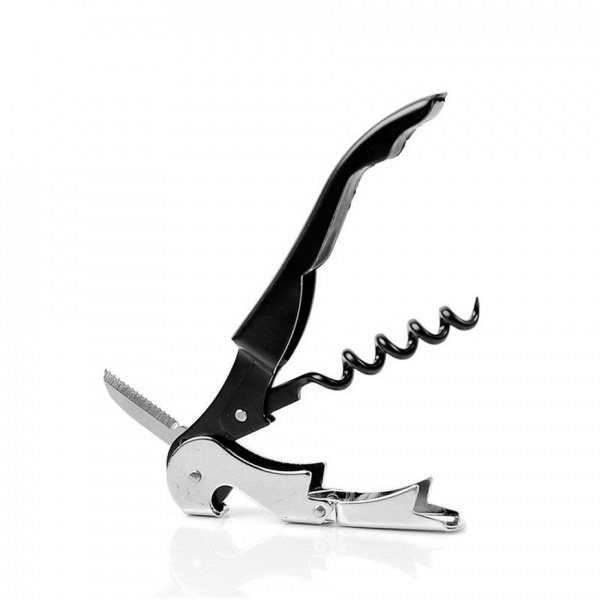
For de som har drukket noen bedre flasker vin. Så trenger man egentlig bare tre trekkeren. Engentlig bare to.
Se her loffen.

I går ble det vin.
Se her!
Drakk ikke alene. Heller ikke alt. Men ja. Godt.


Se her!
Drakk ikke alene. Heller ikke alt. Men ja. Godt.
For de som har drukket noen bedre flasker vin. Så trenger man egentlig bare tre trekkeren. Engentlig bare to.
Se her loffen.
Vis vedlegg 184055
Den til høyre; The Durand er must for eldre sprø korker. Men en god vinkelnertrekker er det som brukes i 99 av 100 tilfeller.


Del: