


Tråden om politikk, religion og makroøkonomi
- Trådstarter JanSkrotnes
- Opprettet
Du bruker en utdatert nettleser. Det kan ikke vise dette eller andre nettsteder på riktig måte.
Du bør oppgradere eller bruke en alternativ nettleser.
Du bør oppgradere eller bruke en alternativ nettleser.
- Status
- Stengt for ytterligere svar.
Mer USA...
"Is Coca Cola sponsoring racism? That's the claim. You be the judge."

 www.thestreet.com
LinkedIn nettkursen forsvant men jeg så den selv 2 dager siden.
Det ser ut som tilbakeslaget er blitt alvorlig for Coca Cola.
"Is Coca Cola sponsoring racism? That's the claim. You be the judge."
Coca Cola Confirms Training Employees ‘Try To Be Less White’
Is Coca Cola sponsoring racism? That's the claim. You be the judge.
www.thestreet.com
LinkedIn nettkursen forsvant men jeg så den selv 2 dager siden.
Det ser ut som tilbakeslaget er blitt alvorlig for Coca Cola.
"The deficit hasn’t been this big since World War II, but there’s a difference. The American public financed the deficit of the 1940s with Liberty Bonds. Now the Federal Reserve is financing it on its own balance sheet.
Foreigners, who took up a great deal of Treasury debt during and after the Global Financial Crisis of 2008-2009, have stopped buying Treasuries. China, the largest official holder of US government bonds, isn’t motivated to bail America out at the moment.
Japan, the largest incremental buyer, is out of the market. Private investors don’t want to own US bonds because it’s dicey to hedge the currency risk."
"The Chinese commentariat is watching with interest. “With the special status of the US dollar as a world currency, the United States never has to worry about the repayment of national debt, because it can be repaid by expanding the issuance of US dollars,” wrote a commentator at the Observer (guancha.cn) last week.
“But can the United States continue to issue bonds to stimulate the economy and increase wealth. Can it last forever? In other words, can the US debt grow without limits?…US debt expansion is unsustainable, and it is destined to face the ceiling of the market,” the Observer commentator wrote."

 asiatimes.com
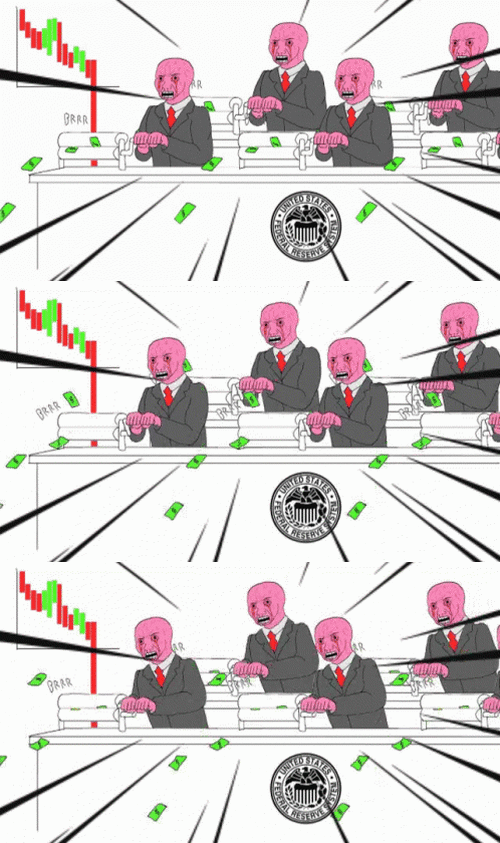
Foreigners, who took up a great deal of Treasury debt during and after the Global Financial Crisis of 2008-2009, have stopped buying Treasuries. China, the largest official holder of US government bonds, isn’t motivated to bail America out at the moment.
Japan, the largest incremental buyer, is out of the market. Private investors don’t want to own US bonds because it’s dicey to hedge the currency risk."
"The Chinese commentariat is watching with interest. “With the special status of the US dollar as a world currency, the United States never has to worry about the repayment of national debt, because it can be repaid by expanding the issuance of US dollars,” wrote a commentator at the Observer (guancha.cn) last week.
“But can the United States continue to issue bonds to stimulate the economy and increase wealth. Can it last forever? In other words, can the US debt grow without limits?…US debt expansion is unsustainable, and it is destined to face the ceiling of the market,” the Observer commentator wrote."
Fed lures banks to buy unwanted US Treasuries - Asia Times
A specter is haunting the markets – the specter of a US$4 trillion Treasury funding requirement for 2021. The Fed is now the last buyer standing in the
asiatimes.com

- Medlem
- 16. juni 2009
- Innlegg
- 1.146
World Economic Forum januar video om den Great Reset.
Når man ser på likes VS dislikes inkludert kommentarene, vi kan vel tenke på at alt skal gå som planlagt...
"You will own nothing, and be happy". Regner med Klaus Schwab allerede har gitt vekk alt han eier.
"You will own nothing, and be happy". Regner med Klaus Schwab allerede har gitt vekk alt han eier.
NEMLIG...


Jon Henrik
Grunnlegger


1:50 inn i video "What is the Great Reset? | Davos Agenda 2021"
"....We need enormous trust between the private sector and the public sector for this to actually work...."
Ja selvfølgelig, men...
"Of course, the social impact of the covid pandemic is far from over and in fact, now that the AstraZeneca/Oxford vaccine is on the ropes, it appears that Europe (for various political and monetary reasons) may be relapsing and get yet another round of lockdowns soon. But at least as far as markets are concerned, Covid is officially yesterday's news and is no longer the biggest bogeyman on Wall Street."

ZeroHedge
ZeroHedge - On a long enough timeline, the survival rate for everyone drops to zero
 www.zerohedge.com
Det vi ser på verdensmarkedet er privat sektoren som tar avstand fra offentligsektoren.
Grunnen er enkelt: tilliten er brutt og investørene er ikke mer villige til å følge det politiske narrativet fra statene.
Og Ray Dalio (co-chief investment officer of the world's largest hedge fund, Bridgewater Associates, since 1985. He founded Bridgewater in 1975 in New York) forklarer godt hvorfor.
"Why in the World Would You Own Bonds When…"
...The economics of investing in bonds (and most financial assets) has become stupid.
Think about it. The purpose of investing is to have money in a storehold of wealth that you can convert into buying power at a later date. When one invests one gives a lump-sum payment for payments in the future.
Let’s look at what that deal now looks like. If I give $100 today how many years do I have to wait to get my $100 back and then start collecting the reward on top of what I gave?
In US, European, Japanese, and Chinese bonds an investor has to wait roughly 42 years, 450 years, 150 years, and 25 years[1] respectively to get one’s money back and then one gets low or nil nominal returns.
However, because you are trying to store buying power you have to take into consideration inflation. In the US you have to wait over 500 years, and you will never get your buying power back in Europe or Japan.
In fact, if you buy bonds in these countries now you will be guaranteed to have a lot less buying power in the future. Rather than get paid less than inflation why not instead buy stuff—any stuff—that will equal inflation or better?
We see a lot of investments that we expect to do significantly better than inflation. "
"Based both on how things have worked historically and what is happening now, I am confident that tax changes will also play an important role in driving capital flows to different investment assets and different locations, and those movements will influence market movements. If history and logic are to be a guide, policy makers who are short of money will raise taxes and won’t like these capital movements out of debt assets and into other storehold of wealth assets and other tax domains so they could very well impose prohibitions against capital movements to other assets (e.g., gold, Bitcoin, etc.) and other locations. These tax changes could be more shocking than expected."

Why in the World Would You Own Bonds Whenâ¦
…Bond markets offer ridiculously low yields. Real yields of reserve currency sovereign bonds are negative and the lowest ever.
 www.linkedin.com
Vi kaller det en "turning point".
Som Dalio sier, vil statene gå på jakt etter pengene som flytter seg fra det offentlige til det private og egentlig fra statsogligasjonene til varer/eiendeler.
Mistillit skal bare vokse, pengene skal gjemme seg enda mer og kortslottet skal falle.
Romerriket falt på en lignende måte.
Det historie viser er at når kommer enden, vinner bestandig det "Frie Markedet".
Det blir ingen Great Reset som W.E.F har tenkt seg.

En til som trekker seg ut fra statsobligasjonene og gambler mot de.
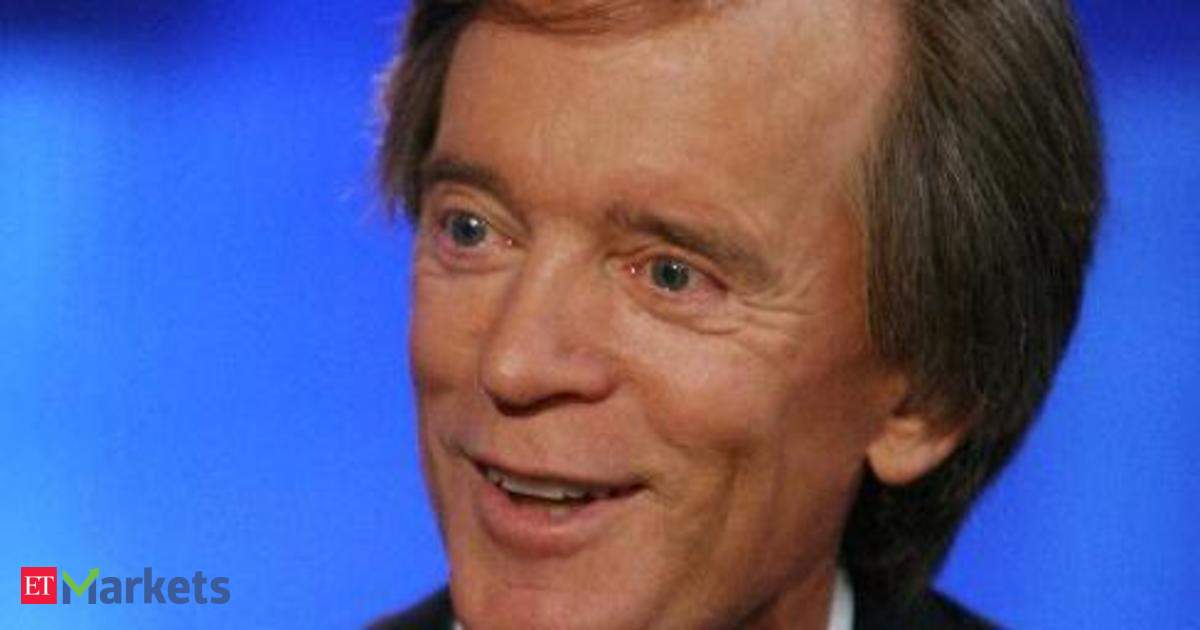
"Onetime bond king Bill Gross has been busy in retirement, shorting Treasury bonds, playing chicken with day traders on Reddit and even making a bundle on energy prices.
The Pacific Investment Management Co. co-founder, who runs money for his charitable foundation, shared some of his trades in an interview Tuesday on Bloomberg Television.
Gross said he bet against the 10-year Treasury through the futures market and remains short, anticipating a combination of rising commodity prices, a weaker dollar and stimulus-driven demand will spark inflation."
 economictimes.indiatimes.com
"Onetime bond king Bill Gross has been busy in retirement, shorting Treasury bonds, playing chicken with day traders on Reddit and even making a bundle on energy prices.
The Pacific Investment Management Co. co-founder, who runs money for his charitable foundation, shared some of his trades in an interview Tuesday on Bloomberg Television.
Gross said he bet against the 10-year Treasury through the futures market and remains short, anticipating a combination of rising commodity prices, a weaker dollar and stimulus-driven demand will spark inflation."
Bill Gross surprises with short bets on Treasuries, GameStop
Treasuries are familiar territory for Bill Gross, 76, who once managed the worlds biggest bond fund.
Jeg har aldri tatt de konspirasjonsteoriene om at vi styres av romvesner alvorlig selvfølgelig.

Men hvis Men in black filmene skulle trenge statister........
Men hvis Men in black filmene skulle trenge statister........
Jeg har aldri tatt de konspirasjonsteoriene om at vi styres av romvesner alvorlig selvfølgelig.
Vis vedlegg 240308
Men hvis Men in black filmene skulle trenge statister........
Virkeligheten er at det er gamle padder&co som gir anbefalinger...


Og ikke bare i Norge...


Det er en stor familie.

Han på høyre er også en gammel kjendis som gikk vekk og tilbake til Saturn i 2017.

Lange neser som finner seg overalt.

OCTOBER 14, 2016
"Some believe Hanjin's bankruptcy signals that quantitative easing has no more power, and a global recession is on the horizon."
“Hardly a surprise,” says Lim Say Boon, chief investment officers at DBS Wealth Management in Singapore. “This is a crisis that has been waiting to happen. In shipping, as in many sectors, capacity has been steadily growing due to overly rosy forecasting and the availability of credit at historically low interest rates. Despite massive overcapacity, the biggest container ships that have ever sailed are still being built.”
According to Lim, “Many think the Hanjin crisis a sign that quantitative easing in all its forms has run out of steam and absent this artificial stimulus to GDP growth—be it in China, Korea or the US—we will soon face another recession.”

 www.gfmag.com


"The first coronavirus COVID-19 case was discovered in China in December 2019 and didn’t become a major issue in the United States until February 2020. But on October 7, 2019 we reported that Wall Street banks had announced a staggering 68,000 job cuts as the Fed pumped $310 billion more in unprecedented loans to Wall Street. That doesn’t sound like there was “nothing fundamentally wrong with our economy,” the narrative that Powell is pushing.
On October 9 we reported that Powell had appeared at a speaking event in Denver at the National Association of Business Economists and acknowledged that a larger, long-term bailout of Wall Street was on its way. That also doesn’t sound like everything was fine in the financial world before the coronavirus hit.
On January 27, 2020, again before any reported death from coronavirus in the U.S., we reported that Fed Repos Have Plowed $6.6 Trillion to Wall Street in Four Months; That’s 34% of Its Feeding Tube During Epic Financial Crash. Again, that doesn’t sound like there was nothing fundamentally wrong before the coronavirus hit.
"The new, 34-year old Democratic Senator from Georgia, Jon Ossoff, let a very big cat out of the bag at yesterday’s Senate Banking hearing. For at least a year, from September 17, 2019 through at least September 30, 2020, the New York Fed, acting as an agent for the Federal Reserve, doled out a cumulative $9 trillion or more in repo loans. The Fed would say only that the money was going to some of its 24 Primary Dealers on Wall Street, without naming any specific bank receiving the money. In June of 2020, the New York Fed abruptly stopped reporting the dollar amounts it was pumping out each day.
The emergency repo loans by the Fed began months before there was any case of COVID-19 reported anywhere in the world."


"Some believe Hanjin's bankruptcy signals that quantitative easing has no more power, and a global recession is on the horizon."
“Hardly a surprise,” says Lim Say Boon, chief investment officers at DBS Wealth Management in Singapore. “This is a crisis that has been waiting to happen. In shipping, as in many sectors, capacity has been steadily growing due to overly rosy forecasting and the availability of credit at historically low interest rates. Despite massive overcapacity, the biggest container ships that have ever sailed are still being built.”
According to Lim, “Many think the Hanjin crisis a sign that quantitative easing in all its forms has run out of steam and absent this artificial stimulus to GDP growth—be it in China, Korea or the US—we will soon face another recession.”
Hanjin: Coal Mine Canary? - Global Finance Magazine
Some believe Hanjin's bankruptcy signals that quantitative easing has no more power, and a global recession is on the horizon.
www.gfmag.com
"The first coronavirus COVID-19 case was discovered in China in December 2019 and didn’t become a major issue in the United States until February 2020. But on October 7, 2019 we reported that Wall Street banks had announced a staggering 68,000 job cuts as the Fed pumped $310 billion more in unprecedented loans to Wall Street. That doesn’t sound like there was “nothing fundamentally wrong with our economy,” the narrative that Powell is pushing.
On October 9 we reported that Powell had appeared at a speaking event in Denver at the National Association of Business Economists and acknowledged that a larger, long-term bailout of Wall Street was on its way. That also doesn’t sound like everything was fine in the financial world before the coronavirus hit.
On January 27, 2020, again before any reported death from coronavirus in the U.S., we reported that Fed Repos Have Plowed $6.6 Trillion to Wall Street in Four Months; That’s 34% of Its Feeding Tube During Epic Financial Crash. Again, that doesn’t sound like there was nothing fundamentally wrong before the coronavirus hit.
Wall Street Had Cut 68,000 Jobs and Received Trillions in Emergency Loans Prior to COVID-19 Anywhere in the World
By Pam Martens and Russ Martens: April 1, 2020 ~ On March 26 Federal Reserve Chairman Jerome Powell went on the Today show to deliver one message: “There
wallstreetonparade.com
"The new, 34-year old Democratic Senator from Georgia, Jon Ossoff, let a very big cat out of the bag at yesterday’s Senate Banking hearing. For at least a year, from September 17, 2019 through at least September 30, 2020, the New York Fed, acting as an agent for the Federal Reserve, doled out a cumulative $9 trillion or more in repo loans. The Fed would say only that the money was going to some of its 24 Primary Dealers on Wall Street, without naming any specific bank receiving the money. In June of 2020, the New York Fed abruptly stopped reporting the dollar amounts it was pumping out each day.
The emergency repo loans by the Fed began months before there was any case of COVID-19 reported anywhere in the world."
Senator Ossoff Drops a Bombshell: “The 12 or 13 Largest Banks” Got the Trillions from the Fed’s Repo Loans Last Year
By Pam Martens and Russ Martens: March 3, 2021 ~ The new, 34-year old Democratic Senator from Georgia, Jon Ossoff, let a very big cat out of the bag at
wallstreetonparade.com
Den er for deg @DrDoppler
Her er plassen for "konspirasjonerteorier og alternative virkeligheter" som du sier.
Jeg håper at du tåler å se en del "egoister" i Londons gatene.
Her er plassen for "konspirasjonerteorier og alternative virkeligheter" som du sier.
Jeg håper at du tåler å se en del "egoister" i Londons gatene.


- Status
- Stengt for ytterligere svar.
Del: