For en som ikke er kjent med silikonens egenskaper men registrerer at materialet i større og større grad brukes i produksjon av verksdeler; hvordan er slitestyrke over tid sammenlignet med materialene den erstatter?
"Often referred to as "silicium" (silicon in French), silicon is a hard and light materials that unlike metal does not respond to environmental changes such as temperature or magnetism. Silicon parts also require little or no lubrication."
"Silicium has many advantages, like hardness, lightness, anti-magnetism, and it doesn’t require any lubrication. With that being said, it doesn’t mean that silicium can and will replace all metal mechanical parts in a movement. There are specific parts of a mechanical watch movement where the application of silicium would not make any sense but when it comes to the escapement (which is the actual heart of the movement) - where magnetism, lubrication, high friction is key - silicium is the perfect material."
"Silicium has not changed the manufacture of traditional watch making but opened up certain new possibilities, which I believe are a benefit to the end consumers. The knowledge, training, and craftsmanship of the individual watchmaker has not changed at all but the accuracy and durability, particularly of the escapement has improved. So in many ways silicium parts merely replace metal ones."

How Silicon Became A Luxury Wrist Watch Movement Material
Mechanical watches are little machines with moving parts made traditionally of mostly metal. While electronic watches are cheaper, mechanical watches are typically of a much higher-quality, and preferred by collectors and aficionados. While more interesting than most electronic watches...
 www.forbes.com
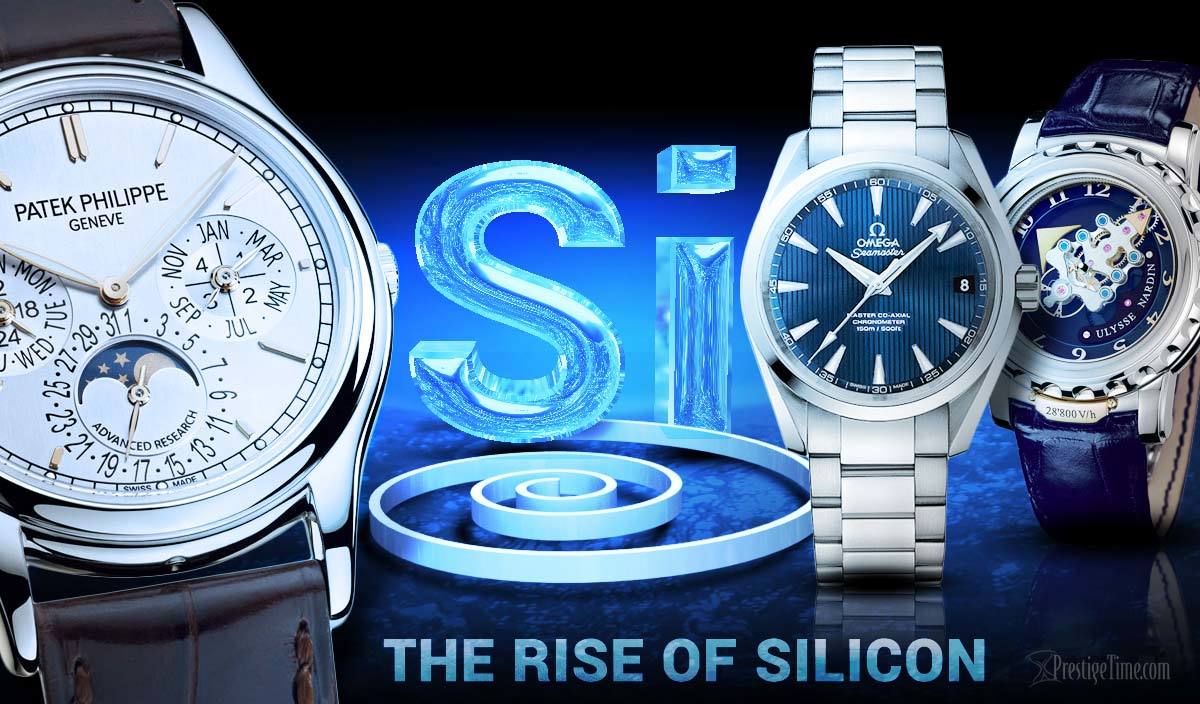
The Silicon Revolution: Silicon balance spring and beyond in watchmaking
The Rise of Silicon: Silicon Balance Spring & Beyond in Watchmaking: Join us as we examine silicon and how the world's best watchmakers use it in their most innovative movements.